How to Choose the Right Strike Price for Put Options
Introduction
Selecting the best strike price for a put option is essential if you’re looking to profit from downward moves in a stock or hedge your portfolio. In this guide, we’ll help you understand how to choose the ideal strike price depending on your goals, whether you’re bearish on a stock or protecting long positions.
What Is a Put Option Strike Price?
The strike price of a put option is the price at which the contract allows you to sell the underlying asset. When the market price falls below this strike price, the put option becomes profitable.
Types of Strike Prices in Put Options
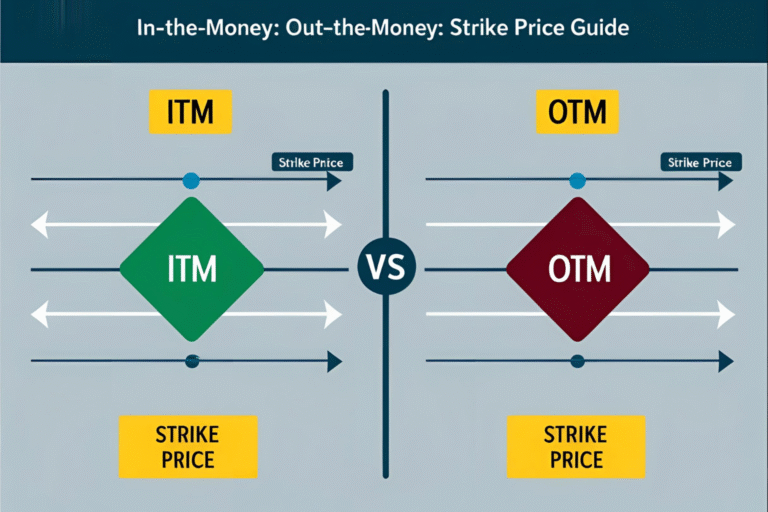
- In-the-Money (ITM)
- Strike price is above the current market price
- Higher premium, more protection or profit potential
- Common for portfolio hedging or conservative trades
- At-the-Money (ATM)
- Strike price is equal to the market price
- Balanced premium and risk
- Suitable for directional trades with moderate conviction
- Out-of-the-Money (OTM)
- Strike price is below the current market price
- Lower cost, lower chance of success
- Used for aggressive bearish trades or low-cost hedging
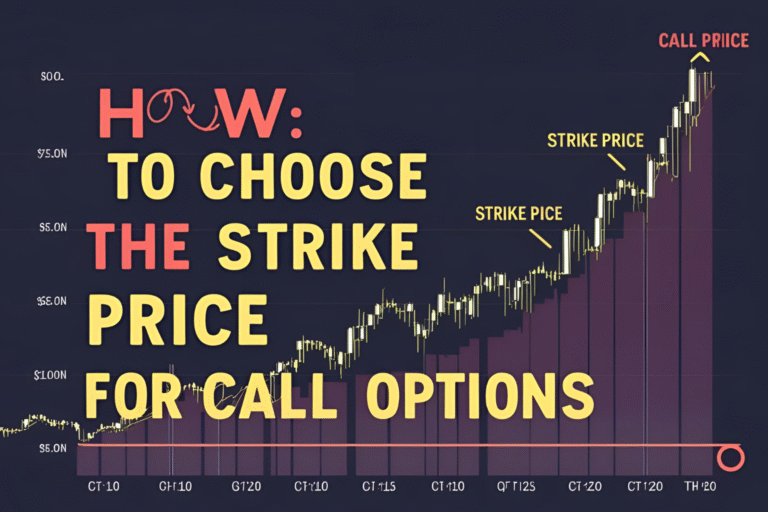
How to Select the Right Strike Price
1. Your Market Outlook
- Strongly bearish? Choose ITM
- Moderately bearish? Choose ATM
- Mild pullback or speculative bet? Consider OTM
2. Time Until Expiry
- Short-term trades benefit from ATM or ITM
- For longer-term protection or profit, OTM puts may work with time on your side
3. Your Risk Appetite
- ITM: High cost, high protection
- ATM: Balanced risk/reward
- OTM: Low cost, high risk
4. Hedging vs Speculation
- Hedging a stock? Go with ITM or ATM
- Speculating on a drop? Try ATM or OTM depending on confidence level
Real Example
Let’s say Meta (META) stock is trading at $300:
| Strike Price | Option Type | Premium (Example) | Risk Level | Use Case |
|---|---|---|---|---|
| $320 | ITM | $25 | Low | Hedging |
| $300 | ATM | $15 | Medium | Directional bet |
| $280 | OTM | $7 | High | Speculative trade |
Tips for Choosing Put Strike Prices
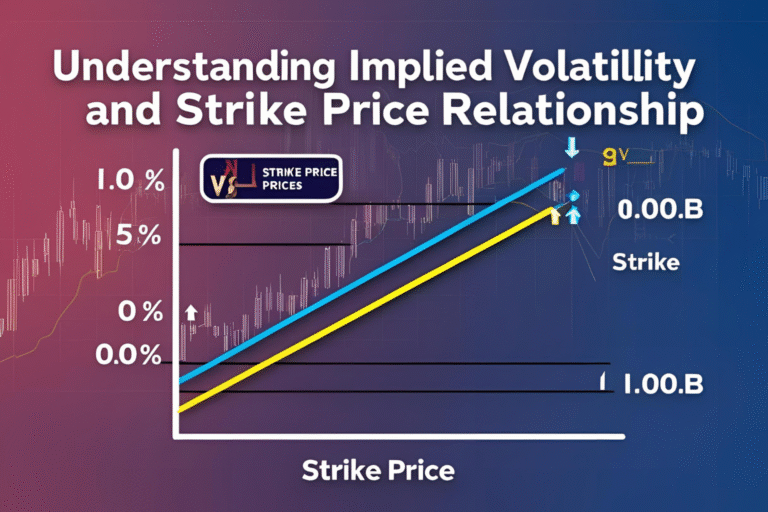
- Check support levels and volatility before selecting your strike
- Don’t just go for the cheapest option—focus on probability
- Always know your break-even price (strike price – premium paid)
FAQs
Q1. What strike price is best for a bearish trade?
It depends on your risk. ITM is safer, OTM is riskier but cheaper.
Q2. Can I profit if the stock doesn’t reach my strike price?
No, for a put to be profitable at expiry, the stock must be below the strike price.
Q3. Should I use put options for hedging?
Yes, many investors buy ITM or ATM puts to protect long positions.
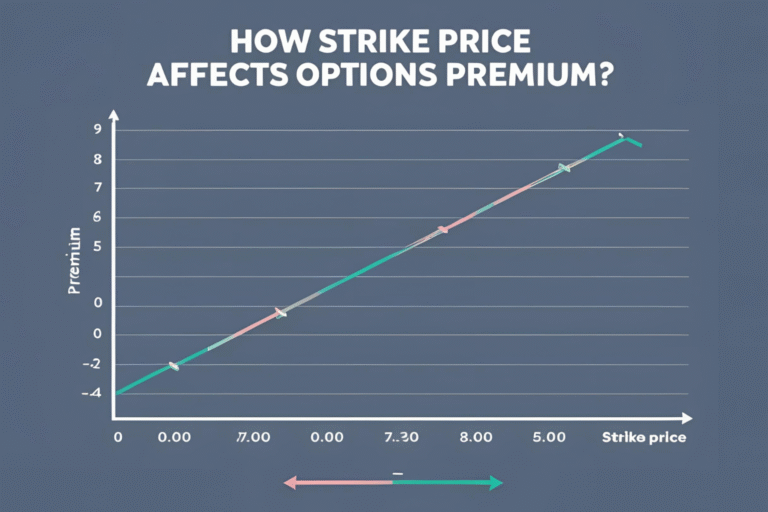
Q4. Is the premium higher for ITM puts?
Yes, because they already have intrinsic value.
Q5. Can I sell a put option before it expires?
Yes, you can close the position early if it becomes profitable.